How to turn your cards into NFTs.
A plain-English walk-through for collectors: what an NFT really is, how minting works, how a token can link to a physical card, and the risks to weigh up first.
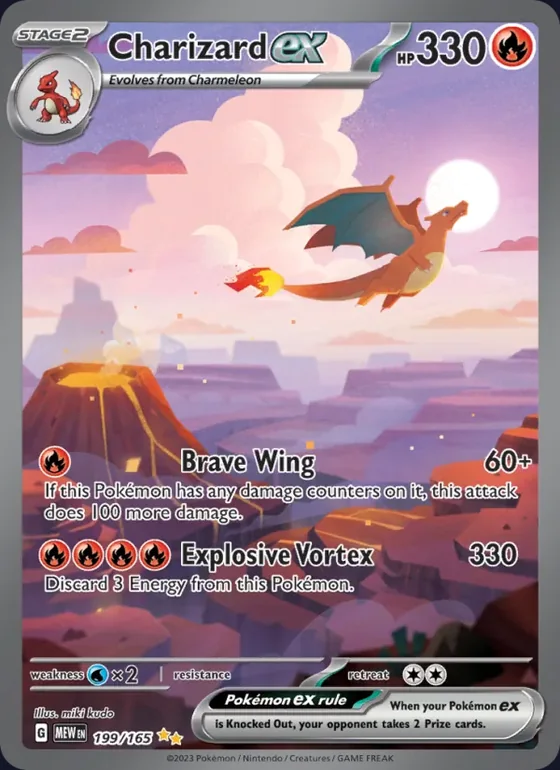
- Network
- Test network
- Contract
- 0x…example
- Token ID
- #017
- Holder
- Example account A
This page explains how NFTs work so you can make your own informed decisions. It does not recommend any blockchain, marketplace, wallet or purchase. Trading Card Mastery does not sell NFTs, connect wallets or hold cards.
What is an NFT?
An NFT (non-fungible token) is a one-of-a-kind entry on a blockchain. It gives a digital collectible its own identity and a public record of which account holds it.
Think of it as a numbered slot in a shared, public ledger. The picture is not the token. Anyone can save a copy of the image, but saving it does not move the token. The record only changes when the token itself is transferred.
To identify an NFT, check the network, the contract address and the token ID together. On the XRP Ledger, check the network, issuer and NFTokenID.
Same name and same picture can mean a different token. The network, contract and token ID are what make it unique.
The ledger shows which account holds a token, not which person. A wallet screenshot is not proof of current holdings.
A token does not automatically give you copyright, exclusive use of the artwork or ownership of a physical card. Check the licence and any custody terms.
Holder perks depend on the project’s terms and on it still running. The token alone guarantees no benefits, authenticity or value.
From card in hand to token on chain.
The order most collectors follow. Take your time over each step; nothing here needs to be rushed.
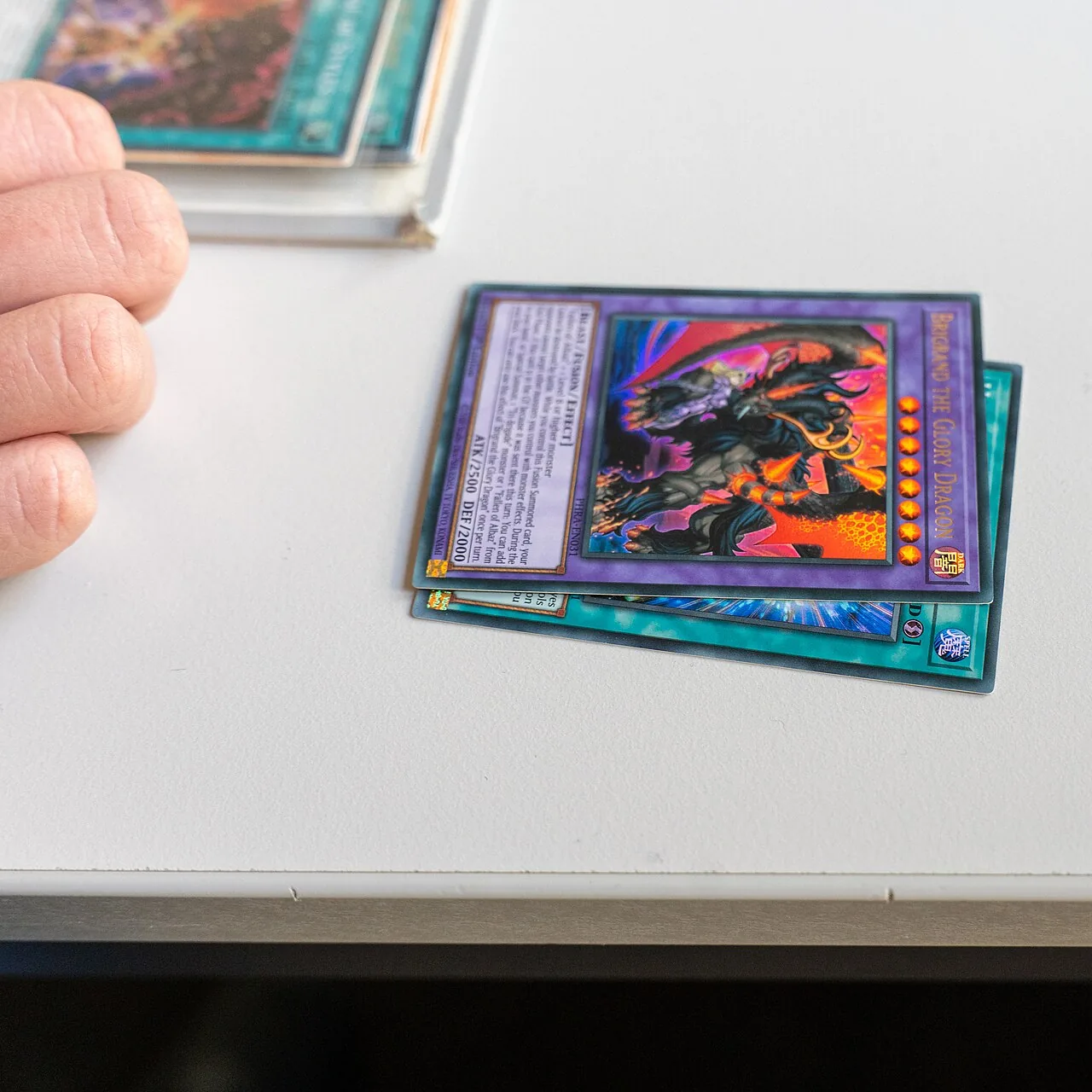
Photograph or scan the card
Use even, soft light and a plain background. Shoot the front and back, plus close-ups of corners, edges and any serial number or grade label. A flatbed scan works well for raw cards; for a slab, photograph it at a slight angle so glare doesn’t hide the label.
Keep the original files. They are your record of the card’s condition on the day you minted.
Choose a blockchain and a marketplace
An NFT lives on a blockchain, and you list it on a marketplace that supports that chain. Examples you will see include Ethereum, Solana, Polygon and the XRP Ledger. They differ in fees, wallets and which marketplaces use them.
Practise first on a test network such as Ethereum Sepolia or Solana Devnet. It uses free test tokens, so mistakes cost nothing.
Set up a wallet
A wallet is the app that holds your keys and signs transactions. With a self-custody wallet you alone hold the recovery phrase; with a custodial account a company holds it for you.
- Write your recovery phrase on paper and store it offline. Never type it into a website or share it with “support”.
- Consider a separate wallet just for minting and trading.
- Read every signature request before you approve it.
Mint the token
Minting creates the token on the blockchain. There are two common routes:
- Paying gas: you pay the network fee up front and the token exists straight away.
- Lazy minting: the listing is prepared but the token is only created when someone buys it, and the buyer usually covers the fee.
Fees change with network demand, so check the cost on screen before you confirm.
Write a clear, honest description
Say exactly what the buyer gets. Include the card’s game or sport, set, year, collector number, language and condition. If it is graded, give the grading company and certificate number so buyers can check it themselves.
Spell out what is not included: for example, no copyright in the artwork and, for digital-only tokens, no physical card.
Link it to the physical card
Decide which model you are using:
- Digital only: the token is a collectible in its own right. The physical card stays with you and is not part of the sale.
- Vaulted / tokenised: the card is stored by a vault or custodian and the token represents a claim on it. Redeeming the token usually retires it and starts a release request.
Read the custody agreement: who holds the card, how it is insured, what redemption costs and what happens if the service closes. Keep a provenance trail too: photos, grade records and past sale or transfer history.
Set royalties (and don’t count on them)
Many platforms let you set a creator royalty, a percentage you receive when the token is resold. Some marketplaces treat royalties as optional or don’t enforce them, so think of them as a possible bonus, not income.
Pros, cons and risks.
Weigh these up honestly. For many collectors the best choice is to keep the card as a card.
Possible pros
- A public, checkable record of which account holds the token.
- A history of transfers that can support provenance.
- With a vaulted card, ownership can change hands without posting the card each time.
- Access to buyers in other countries.
Cons and risks
- Fees: network (gas) fees, marketplace fees, and for vaulted cards storage, insurance and redemption costs.
- Scams: fake mint sites, phishing links, “support” messages asking for your recovery phrase, and signature requests that drain wallets.
- Fake collections: copycat projects reuse names and images. Only trust a contract address taken from the project’s own official channels.
- Copyright: owning a card does not give you the rights to its artwork. Minting images of official card art or logos can infringe the owner’s rights.
- Custody risk: a vaulted card depends on the custodian. If it fails or its terms change, redemption may be slow or uncertain.
- Value can go to zero: there may be no buyers at all, and platforms can close.
Learn it on a test network first.
The free Digital Collectibles course on our learning app works through token identity, scarcity and demand, wallet safety, bids and swaps, vaults and redemption. You practise on test networks (Ethereum Sepolia or Solana Devnet), so no real money is involved.
Free learner account required · No payment or wallet needed for the lessons
Names of blockchains and platforms are examples, not endorsements. Rules, fees and tax treatment change; check the latest terms and get independent advice before you commit money.
Build a collector’s eye.
Start free today.
Four learning levels. A free trial for every one. No cards or payment needed.